TmatNetwork

Category: Online Marketing

Comprehensive online marketing tips to attract visitors, convert leads, and grow revenue through digital channels.

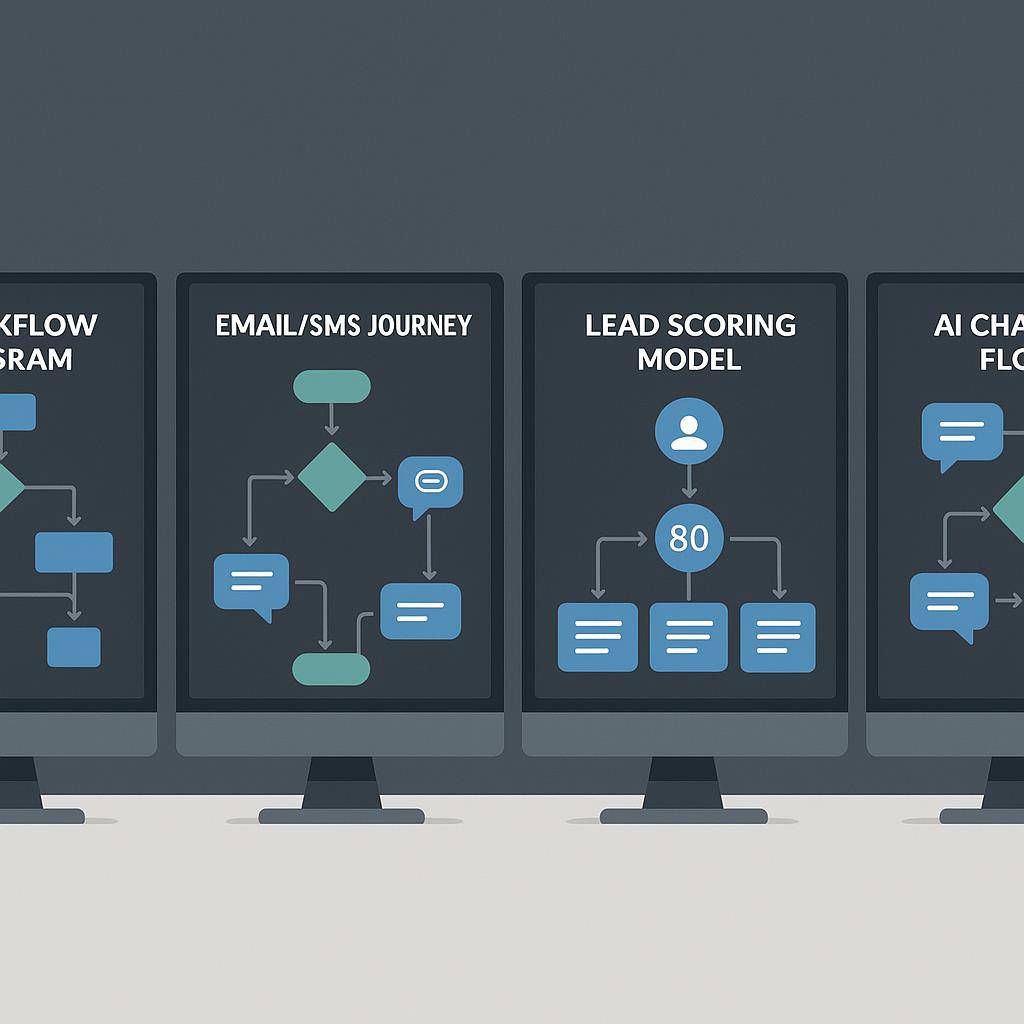
  • Marketing Automation & AI Consulting: Ultimate Strategy Guide

    Marketing Automation & AI Consulting: Ultimate Strategy Guide

    Automate revenue without losing the human touch

    Marketing automation and AI consulting are no longer nice-to-haves. They are how growth teams scale revenue, deliver 1:1 experiences, and protect margin without burning out people or budgets. The key is pairing thoughtful strategy with trustworthy automation so you never sacrifice empathy for efficiency.

    Done well, automation removes repetitive work, enriches data, and connects touchpoints across email, ads, chat, and your website. AI adds the intuition—predicting intent, recommending next-best actions, and generating content variants that feel personal, not robotic.

    This guide shows you how to operationalize intelligent marketing automation end to end: from acquisition and lead nurturing to retention and expansion—grounded in clean data, clear governance, and measurable ROI. If you want a faster path to value, leverage expert support from digital marketing specialists who understand systems and outcomes, not just tools.

    Quick Summary: Tools, workflows, and realistic ROI

    Here is the practical blueprint teams use to deploy marketing automation and AI consulting with confidence and speed.

    • Core stack: CRM + MAP (HubSpot, Marketo, Salesforce MC, Klaviyo/Customer.io), CDP/analytics (Segment, Mixpanel, GA4), data warehouse, product catalog, and consent management.
    • AI layers: Chatbots (Intercom, Drift), recommendations (behavioral + catalog), content assists (headlines, subject lines, image prompts), and predictive scoring for MQL/SQL handoffs.
    • Workflows: Lead capture and routing, nurture sequences, cart/browse abandonment, onboarding, reactivation, win-back, referral, and customer expansion plays.
    • Governance: Clean data, permissioning, QA checklists, naming conventions, and change control for reliable releases.
    • ROI you can expect: 10–30% lift in email revenue within 60–90 days, 15–25% faster speed-to-lead, 10–20% decrease in CAC via better routing and suppression, and measurable gains in LTV from targeted upsell and renewal.

    To accelerate launch and learning curves, consider expert partners such as SEO services for demand capture, PPC optimization for rapid testing, and specialized support for website development and UX. For niche growth motions, explore B2B programs and SaaS funnels.

    Lifecycle Automation: Acquisition to retention journeys

    High-performing teams orchestrate journeys across the full lifecycle. Automations should respect context, consent, and channel preferences while moving buyers forward with value.

    • Acquisition: Trigger nurture when a lead downloads content, attends a webinar, or uses the pricing page. Use progressive profiling and UTM capture to tailor messages by intent stage.
    • Activation: Onboard users with stepwise guidance, feature milestones, and in-product tips. Send behavior-triggered emails/SMS when users stall, paired with in-app nudges and chat.
    • Conversion: Employ lead scoring to prompt sales when readiness spikes. Send dynamic content (case studies, ROI calculators) aligned to industry and role. Suppress paid retargeting when a contact is already engaged via email to reduce waste.
    • Retention: Build health scoring and churn risk alerts. Trigger content for habit formation, usage expansion, and community engagement.
    • Expansion: Launch targeted cross-sell and upsell journeys tied to product adoption, contract anniversaries, and firmographics.

    Ecommerce teams should complement these journeys with catalog-aware flows: browse and cart abandonment, back-in-stock, price drop, and post-purchase upsell—supported by e-commerce website foundations and store management services. B2B teams can align handoffs via SLAs tied to MQL/SQL definitions and sales engagement quality, especially in complex cycles such as technology markets.

    Data & Scoring: Events, enrichment, lead qualification

    Automation fails without dependable data. Invest early in collection, structure, and governance so AI models and workflows stay accurate.

    • Event tracking: Define a consistent schema for signups, pricing views, feature usage, add-to-cart, checkouts, and cancellations. Use server-side events where possible to improve reliability.
    • Identity resolution: Stitch anonymous and known profiles using device IDs, email, and login events. Maintain a golden customer record in your CDP or CRM.
    • Enrichment: Append industry, company size, tech stack, and revenue signals to improve segmentation and sales prioritization.
    • Scoring models: Balance behavioral (recency, frequency, intensity), fit (firmographic/demographic), and intent (content depth, pricing checks, demo requests). Recalibrate quarterly using conversion data.
    • Qualification: Gate offers by score thresholds but keep escape hatches for high-intent behaviors (e.g., “book a demo”). Suppress low-fit audiences from paid and email to protect sender reputation and CAC.

    Connect your analytics to revenue reporting and multitouch attribution so you can prove lift from automation, not just activity volume. If your team needs help, pair lifecycle design with security-conscious data practices and experienced ops partners.

    AI Assist: Chatbots, recommendations, content assists

    AI becomes your force multiplier when it augments, not replaces, your team. Use it to remove toil and reveal opportunities your analysts cannot see at scale.

    • Conversational chat: Deploy site and in-app bots for FAQs, qualification, and instant routing to sales or support. Train on documentation and high-performing content to keep answers accurate.
    • Recommendations: Blend behavioral data and product metadata for next-best product, article, or feature suggestions. Test placement and rank models by cohort and lifecycle stage.
    • Content assists: Generate subject lines, CTAs, and copy variations; then let humans refine tone. Build content snippets (by industry, persona, pain points) that slot into messages dynamically.
    • Analytics copilots: Summarize anomalies, forecast pipeline, and surface campaigns needing attention based on lift, fatigue, or send-time decay.

    Keep humans in the loop with approval steps and rollback plans. Pair AI experimentation with a governance playbook to minimize risk while maximizing learning. For deeper model selection and integration, consult trusted experts like AI Consulting or connect your bot to mobile app experiences where contextual prompts boost engagement.

    Ops & Governance: Clean data, compliance, QA

    Scale breaks without operational discipline. A lean governance framework gives you speed, safety, and repeatability.

    • Naming and versioning: Standardize campaign, journey, and asset names; maintain a changelog for audits and rollbacks.
    • Data hygiene: Normalize fields (countries, job titles), deduplicate contacts, and implement automated validation on key properties.
    • Compliance: Honor GDPR/CCPA, consent states, double opt-in, and data minimization. Configure SPF/DKIM/DMARC and maintain suppression lists to protect deliverability.
    • QA and monitoring: Use preflight checklists, seed testing, device previews, and live dashboards for send errors and bounce spikes. Establish incident playbooks.
    • Access controls: Least-privilege permissions and approval gates for production sends. Schedule regular audits.

    Build this muscle once and reuse it across launches. Consider a partner for ongoing maturity improvements, from technical SEO to platform governance inside broader digital programs.

    Roadmap: 30-60-90 day rollout plan

    Use this time-boxed plan to launch meaningful automation fast—without boiling the ocean.

    • Days 1–30: Foundation and quick wins
      • Audit data flows, consent capture, and existing journeys. Fix tracking gaps on high-intent pages (pricing, demo, checkout).
      • Stand up core journeys: welcome/nurture, cart/browse abandonment, and basic lead routing. Ship one AI-assisted content experiment (subject line testing).
      • Define scoring v1 and align on MQL/SQL SLAs with sales. Stand up reporting for conversion and revenue by journey.
    • Days 31–60: Scale and personalization
      • Expand triggers (product milestones, industry-specific tracks). Add dynamic content blocks by persona and lifecycle.
      • Enable chatbot with routing and knowledge base grounding. Launch suppression rules for paid when email engagement is active.
      • Implement A/B and holdout tests with clear success metrics. Start catalog-aware recommendations for e-commerce or content.
    • Days 61–90: Optimization and governance
      • Refine scoring with early conversion data; add enrichment. Roll out reactivation and win-back journeys.
      • Codify QA, naming, and approval workflows. Automate list hygiene and bounce handling.
      • Publish an executive dashboard with pipeline, revenue contribution, LTV/CAC, and deliverability health. Plan the next quarter’s experiments.

    Support this plan with targeted services—PPC for rapid testing, SEO for intent capture, and operational help from ecommerce management where relevant.

    Recommended Partners: AI Consulting by TMAT Network and Email Marketing Services

    Launch faster with specialists who have shipped automation across industries and stacks.

    • Strategy and AI architecture: AI Consulting maps business goals to data, models, and workflows—prioritizing impact, governance, and integration with your CRM, CDP, and marketing tools.
    • Lifecycle execution: Email Marketing Services operationalizes campaigns, journeys, and deliverability best practices with continuous testing and reporting.

    Operating in a specialized market? Explore vertical playbooks with partners like B2B Digital Marketing or SaaS Digital Marketing Agency for go-to-market motions that match your sales cycle.

    Conclusion: Ship high-impact automations fast — book a strategy workshop

    Automation should serve your buyers and your bottom line. When you combine smart data, empathetic messaging, and AI assistance, you create experiences that feel human—at scale—while giving your team time back to focus on strategy.

    Ready to prioritize high-ROI journeys and stand up a robust ops backbone? Book a strategy workshop with AI Consulting and align vision, tools, and execution in weeks, not quarters.

    FAQ: Which tools? How to measure lift? How to avoid spam? Needed data? Team training required?

    Which tools work best for marketing automation?
    Choose a platform that fits your motion and data maturity. HubSpot and Klaviyo shine for speed; Marketo and Salesforce Marketing Cloud for complex enterprise orchestration; Customer.io for product-led growth. Pair with a CDP (Segment) or analytics (Mixpanel/GA4) and your CRM. Enrich with Clearbit or similar to improve routing and segmentation.

    How do we measure lift from automation and AI?
    Use holdout groups, A/B tests, and pre/post baselines. Track leading indicators (speed-to-lead, activation rate, deliverability) and lagging outcomes (pipeline, revenue, LTV, churn). Attribute revenue by journey and channel, and compare against matched controls to isolate lift.

    How do we avoid spam and protect deliverability?
    Honor consent, send at sensible frequencies, and suppress disengaged contacts. Maintain list hygiene (bounces, traps), authenticate email (SPF/DKIM/DMARC), and segment by behavior and intent. Align content to value, not volume. If your list needs a reset, partner with Email Marketing Services.

    What data is required to personalize effectively?
    Core requirements: contact and account data, consent and channel preferences, website/app events (signups, pricing views, feature use), campaign engagements, and product catalog or content metadata. Add enrichment (industry, size, tech stack) for better routing and scoring.

    Does our team need training to manage this stack?
    Yes—train on platform fundamentals, naming conventions, QA, and analytics. Start with a center-of-excellence playbook: journeys, scoring, testing, and governance. Reinforce via office hours and quarterly calibration. For hands-on enablement, collaborate with digital marketing experts who build, document, and upskill simultaneously.
  • Event Promotion Digital Marketing Services: Ultimate Guide

    Event Promotion Digital Marketing Services: Ultimate Guide

    Sell out events with a full-funnel promotion plan

    Your next launch deserves a sold-out banner. The smartest teams don’t gamble on buzz they build momentum with a full-funnel plan that turns awareness into ticket sales, and ticket buyers into loyal advocates. This guide breaks down a proven playbook for event growth, engineered for speed, clarity, and measurable ROI.

    We’ll show you how to orchestrate event promotion digital marketing services across paid media, social, email, influencers, partners, and PR—all tied to clean tracking and conversion-focused creative. Expect practical timelines, channel prioritization, and high-impact tactics you can deploy immediately.

    Whether you’re launching a conference, festival, product roadshow, or VIP pop-up, this approach scales. With the right foundations, small teams can act like elite marketing orgs and hit goals with less waste and more data.

    Quick Summary: Timeline, channels, and creative strategy

    Here’s the high-level blueprint you can copy and adapt. Keep cycles tight, feedback fast, and creative modular.

    • Timeline: Pre-launch (T-8 to T-3 weeks), On-sale (T-3 weeks to sold-out), Conversion pushes (rolling 72-hour sprints), Post-event (T+24 hours to T+3 weeks).
    • Key Channels: PPC/paid social, email drips and SMS, organic social + UGC, partner/influencer waves, PR hits, retargeting, and affiliate/ambassador programs.
    • Creative System: Narrative hooks + offer stacks (tiers, bundles, deadlines), social-first video, vertical cuts, motion graphics, and modular landing pages with dynamic content.
    • Measurement: UTM structure, CRM/source-of-truth, GA4 conversion events, platform pixels, and cohort analysis by audience, creative, and placement.
    • Ops: Weekly growth stand-ups, daily pacing checks, and 72-hour experimentation cycles across audiences, offers, and creatives.

    If you need hands-on execution, combine specialized services like PPC, social media marketing, email marketing, and SEO to maximize reach and efficiency.

    Pre-Launch: Teasers, waitlists, partners

    Prime demand before you go live. Your goals: build a qualified waitlist, lock key partners, and seed the story that will carry creative throughout the campaign.

    • Tease the hook: Release a 10–15 second vertical video with the core promise, a visual motif, and a simple CTA to join the waitlist. Repurpose into short GIFs, Stories, and Reels.
    • Build the waitlist: Create a frictionless landing page with 1–2-field signup, value copy (early access, limited tiers), and SMS opt-in. Use social proof and a light countdown.
    • Segment early: Tag waitlisters by interest (track, day, VIP, group size) so you can personalize offers later. Pair with a 3-email nurture: teaser, behind-the-scenes, and “on-sale heads-up.”
    • Lock partners: Co-marketing with brands, communities, and media extends reach. Draft a one-page kit with talking points, assets, deadlines, and unique tracking links.
    • Creative toolkit: Build a modular library: logos, colors, “coming soon” overlays, and short-form video templates for fast iteration.

    Pro tip: Nail the landing experience now. If you need a fast, conversion-ready page, use Website Development or Web Design Development. For visuals, get brand-consistent Graphic Design and Branding Design. Want smarter segmentation or predictive scoring? Explore AI Consulting.

    Don’t skip your email/SMS foundation. Connect forms to your CRM and queue the pre-launch drip via Email Marketing Services to capture momentum.

    On-Sale: PPC, social, influencer waves, PR

    When tickets go live, focus on speed-to-value and message market fit. Roll out in synchronized waves so each channel compounds the last.

    • PPC and Paid Social: Launch “hot start” campaigns targeting branded, competitor, and intent keywords. On social, split prospecting vs. retargeting with distinct creatives. Use 15–30 second vertical video first, static carousels second.
    • Bid to outcome: Optimize for purchases, not clicks. Feed platforms with clean conversions (pixel + server-side where possible) and protect budgets for top-performing ad sets.
    • Influencer waves: Activate waves across micro, mid, and category leaders. Stagger them: announce, behind-the-scenes, and last-chance. Provide unique codes and UTM links.
    • PR hits: Pitch a timely angle (trend, exclusive, community impact). Use short, visual press notes and pre-approved interview clips. Route readers to an editorial-friendly page.
    • Offer ladders: Early-bird tiers, group bundles, and VIP upgrades keep urgency high without discounting your core brand.

    Need execution support? Start with PPC Service and SMM Services for rapid testing. For niche audiences, consider Entertainment Digital Marketing Agency, B2B Digital Marketing, or Technology Digital Marketing Services to tailor creative and placement strategy.

    Keep daily stand-ups: review spend, MER/ROAS, frequency, creative fatigue, and path-to-conversion. Kill losers fast, duplicate winners, and refresh hooks every 72 hours.

    Conversion: Landing pages, urgency, bundles

    Clicks don’t sell tickets—pages do. Make your landing experience frictionless, persuasive, and mobile-first.

    • Instant clarity: Headline promise + date/location above the fold. One primary CTA. Keep copy scannable with benefit bullets.
    • Urgency mechanisms: Ethical scarcity: early-bird inventory, timer synced to tier changes, and real attendee counts when accurate.
    • Bundles that increase AOV: VIP perks, merch add-ons, group tickets, and “bring-a-friend” codes. Frame upgrades as experiences, not transactions.
    • Trust & proof: Logos, sponsors, previous highlights, testimonials, and press mentions. Include accessible policies (refunds, transfers).
    • Retargeting & exits: Cart recovery, browse abandonment emails, and exit-intent offers for the undecided.

    If your page isn’t converting 3%+ on warm traffic, revisit layout and load speed. Engage Website Development or E-commerce Website for streamlined purchase flows and wallet integrations. Keep creatives aligned with your brand system to reinforce recognition across ads and pages.

    Community & Content: UGC, hashtags, live clips

    Community energy sells more tickets than any ad alone. Turn attendees into co-creators and your hashtag into a discovery engine.

    • UGC pipeline: Prompt waitlisters and early buyers to share why they’re attending. Supply easy templates, frames, and a central hashtag. Curate and reshare daily.
    • Live content: Stream quick teasers from the venue or rehearsals. Prioritize vertical, high-contrast visuals with captions on. Build anticipation with “last seats” overlays.
    • Creator spotlights: Feature partners and local voices to add authenticity. Rotate content pillars: “What you’ll learn/feel/do,” “Behind the scenes,” “Who’s coming.”
    • Engagement loops: Run comment-to-DM flows, polls, and Q&A boxes that ladder to landing pages. Maintain a consistent posting cadence.
    • Asset refresh: Update thumbnails, hooks, and captions weekly to avoid creative fatigue.

    For scalable production, use SMM Services and on-brand Graphic Design. Amplify reach with print and display support from Marketing Collaterals for onsite and local partners.

    Post-Event: Highlights, NPS, re-engagement

    What happens after the event determines the next one’s momentum. Capture the high, quantify satisfaction, and recycle your best moments.

    • Highlights in 24 hours: Publish a short reel, a photo carousel, and a recap email. Tag speakers, partners, and top fans to extend reach.
    • NPS & feedback: Send a two-minute survey with a single NPS question plus one open-ended prompt. Incentivize with early access to the next event.
    • Content engine: Turn talks into blog posts, clips, and quotes. Build SEO value with structured recaps and internal linking.
    • Re-engagement: Segment buyers vs. no-shows and serve tailored offers: on-demand access, early-bird deposits, or membership bundles.
    • Attribution clean-up: Reconcile revenue by channel, creator, and cohort to inform your next plan.

    Pair your recap strategy with Email Marketing Services and search discoverability via SEO Services. Consider AI Consulting to auto-tag content and surface themes attendees loved most.

    Recommended Partner: Events Digital Marketing Services by TMAT Network

    If you want an expert team to architect and execute this roadmap, partner with the specialists. TMAT’s Events Digital Marketing Services combine strategy, media, creative, and analytics into one accountable growth engine.

    • Full-funnel orchestration: From waitlists to sold-out status with clear attribution.
    • Rapid creative iterations: Modular assets, motion graphics, and platform-native video.
    • Data-first decisions: GA4 events, UTM hygiene, cohort insights, and revenue modeling.
    • Industry playbooks: Proven patterns for conferences, entertainment, and brand roadshows.

    Need cross-vertical support? Explore specialized solutions like Retail Digital Marketing Services, SaaS Digital Marketing Agency, or Tourism Digital Marketing Agency for events tied to product, software, or destination marketing.

    Conclusion: Build momentum and convert demand — book an event promo sprint

    Great events aren’t accidents—they’re engineered. When you combine audience insight, compelling creative, disciplined testing, and airtight measurement, you de-risk outcomes and accelerate sales. Start now, move fast, and iterate.

    Ready to compress timelines and win the market? Book a sprint with TMAT’s Digital Marketing Services or go direct to Events Digital Marketing Services to turn intent into sold-out seats.

    FAQ: When to start? Budget split? Influencer ROI? Ticket funnel tips? Tracking sales sources?

    When should event promotion start?

    For paid + organic, begin 8 weeks out for large events and 4–6 weeks for smaller ones. Use the first half for teasing and list building, and the second half for on-sale pushes and retargeting. If you’re seasonal or competing for limited dates, extend to 12 weeks for partner onboarding and PR lead time.

    How should I split budget across channels?

    A proven baseline: 40–50% paid social, 20–30% PPC, 10–20% creators/affiliates, 10–15% content/production, and 5–10% PR/other. Shift 10–15% weekly based on ROAS and cost-per-purchase. Protect retargeting budgets and top creative winners. If you sell tiers, earmark extra for the final 5 days to drive urgency.

    How do I measure influencer ROI?

    Use unique UTMs, discount codes, and last-click + modeled attribution. Track assisted conversions over 7 days for upper-funnel creators. Evaluate on MER impact, content reuse value, and audience fit, not just direct sales. Start with micro-creators for efficiency, then scale to mid-tier once messaging lands. Consider vertical-specific partners like Fashion Digital Marketing Agency or Fitness & Nutrition Digital Marketing Services if your event aligns to those niches.

    What are the best ticket funnel optimizations?

    Cut steps and cognitive load. Put the primary CTA above the fold, add guest checkout, display clear pricing, and surface VIP/bundle value early. Use social proof, time-based tiers, and clear “what you get” bullets. Retarget viewers of pricing and “add-to-cart” abandoners with specific creatives. If your stack is clunky, work with Website Development or E-commerce Website to improve speed and conversions.

    How do I track sales sources accurately?

    Establish a clean UTM taxonomy (source/medium/campaign/content), configure GA4 purchase events, and enable platform pixels + server-side where possible. Store order-level UTMs in your CRM, and reconcile weekly by campaign and creator. Use unique checkout URLs for partners, and validate with code-level checks. For B2B-style registrations, incorporate touchpoint fields and align with B2B Digital Marketing best practices.

    Any sector-specific advice?

    Yes—tailor creative and channels. For travel-driven events, consider Tourism Digital Marketing Agency; for luxury/VIP experiences, explore Luxury Digital Marketing Agency; for enterprise conferences, align with Enterprise Digital Marketing Services. Each vertical shifts narrative, offers, and targeting nuances.

  • The Future of Digital Marketing: Trends to Watchout For

    The Future of Digital Marketing: Trends to Watchout For

    The world of digital marketing is set to evolve faster than ever. Businesses across Africa and beyond must stay ahead by adapting to new technologies, shifting consumer behaviors, and emerging platforms. At TMATNetwork Media, we are always at the forefront, helping brands prepare for what’s next. In this article, we explore the most important trends shaping the future of digital marketing.

    1. Artificial Intelligence (AI) Will Lead Personalized Marketing

    AI technology is no longer a future concept; it is now an essential tool for marketers. In 2025, brands will rely even more on AI to deliver highly personalized experiences. From tailored email campaigns to predictive product recommendations, AI will ensure that customers see exactly what they want when they want it.

    At TMATNetwork Media, we integrate AI into our campaigns to help clients improve engagement rates and drive more conversions.

    2. Voice Search Optimization Will Be Crucial

    As more people use smart speakers and voice assistants like Siri, Alexa, and Google Assistant, optimizing for voice search will become critical. Businesses must adjust their SEO strategies to include conversational keywords and natural language queries.

    Voice search changes the way people look for products and services. Instead of typing “best digital marketing agency Africa,” users might ask, “Who is the best digital marketing agency in Africa?” Marketers must be ready for this shift.

    3. Video Content Will Continue to Dominate

    Short-form videos on platforms like TikTok, Instagram Reels, and YouTube Shorts are exploding. In 2025, video marketing will make up more than 80% of all consumer internet traffic. Brands that invest in creative, engaging video content will have a significant advantage.

    At TMATNetwork, we specialize in video marketing strategies that capture attention and boost brand awareness across multiple channels.

    4. Social Commerce Will Redefine Online Shopping

    Social media platforms are becoming powerful e-commerce hubs. Facebook Shops, Instagram Checkout, and TikTok Shop are changing how consumers buy products. In 2025, social commerce will be a $1.2 trillion market opportunity.

    Brands must create seamless shopping experiences on social media to stay competitive. Influencer partnerships and user-generated content will drive even more sales.

    5. The Rise of Augmented Reality (AR) Marketing

    Augmented reality will give customers a new way to experience products online. From virtual try-ons to interactive 3D ads, AR will make marketing more immersive and exciting.

    Businesses that embrace AR early will build stronger emotional connections with their audiences. At TMATNetwork Media, we are exploring innovative ways to integrate AR into marketing strategies for our clients.

    6. Privacy-First Marketing Strategies Will Be Mandatory

    Data privacy is now a top concern for consumers. New regulations like GDPR and Africa’s Data Protection Acts are reshaping how marketers collect and use customer data. In 2025, brands must prioritize transparency, consent, and data security.

    Building trust will be just as important as creating great content. Privacy-first marketing will become a major differentiator.

    7. Sustainability and Purpose-Driven Brands Will Thrive

    Consumers are increasingly choosing brands that reflect their values. In 2025, businesses that focus on sustainability, diversity, and social responsibility will attract loyal customers.

    At TMATNetwork, we help brands craft authentic purpose-driven campaigns that resonate with today’s socially conscious audiences.

    8. B2B Digital Marketing Will Become Even More Personalized

    B2B buyers now expect the same personalized experiences as B2C consumers. Account-based marketing (ABM), targeted content, and intelligent automation will drive B2B success in 2025.

    Brands must understand their buyer’s journey deeply and deliver customized solutions at every touchpoint.

    9. Content Marketing Will Focus on Quality Over Quantity

    Gone are the days of churning out blog posts for SEO. In 2025, content marketing will emphasize deep, valuable, and well-researched content that builds authority and trust.

    Long-form articles, original research, podcasts, and expert interviews will become key components of successful content strategies.

    10. The Growing Importance of Customer Experience (CX)

    Customer experience will overtake price and product as the key brand differentiator. Every interaction matters, from your website’s loading speed to post-purchase support.

    At TMATNetwork, we design customer-centric marketing ecosystems that ensure delightful brand experiences at every stage of the funnel.

    Conclusion: Prepare Your Business for the Future of Digital Marketing

    The future of digital marketing is filled with exciting opportunities and rapid changes. Businesses that invest in innovation, personalization, and customer-centric strategies will thrive in 2025 and beyond.

    If you want to stay ahead of these trends, partner with TMATNetwork Media. We help businesses across Africa and beyond unlock their full potential through future-proof digital marketing strategies.

    Contact TMATNetwork Media Today

    🚀 Ready to future-proof your brand? Get in touch with our expert team today:

    • 🌐 Visit our Website
    • 📍 Location: Nigeria (Serving clients across Kenya, South Africa, Ghana, and more)
  • Online marketing consultant

    Online marketing consultant


    Online Marketing Consultant – TmatNetwork

    Online Marketing Consultant: The Guide to Digital Growth

    As the digital landscape continues to evolve, businesses are realizing the need for expert guidance in navigating online marketing complexities. This is where an Online Marketing Consultant becomes a vital partner. Whether you’re a startup aiming to build a presence or a growing company seeking digital transformation, hiring the right consultant can help you achieve measurable success.

    Who is an Online Marketing Consultant?

    An online marketing consultant is a professional who plans, executes, and optimizes digital marketing strategies to meet a business’s goals. They specialize in various disciplines like SEO, pay-per-click (PPC) advertising, content marketing, social media management, and more.

    Consultants often work with internal teams or as outsourced experts to help businesses grow their online presence, improve visibility, generate leads, and convert customers more effectively.

    Key Responsibilities of an Online Marketing Consultant

    • Analyzing your business model and creating tailored marketing strategies
    • Conducting keyword research to identify ranking opportunities
    • Improving your website’s SEO performance
    • Managing social media marketing campaigns
    • Creating performance reports with tools like Google Analytics
    • Recommending paid media channels like PPC advertising
    • Monitoring and optimizing campaigns for ROI

    Benefits of Hiring an Online Marketing Consultant

    Here are some advantages of working with an expert consultant:

    • Expertise: They bring years of experience in various industries and platforms.
    • Cost-Efficiency: Instead of hiring a full-time marketing team, you can access expert support on demand.
    • Results-Driven: Most consultants work with measurable KPIs to demonstrate value.
    • Objective Perspective: Consultants provide fresh insights and help identify blind spots in your strategy.

    Skills to Look for in a Consultant

    When hiring an online marketing consultant, you want someone who possesses both strategic and technical skills. These include:

    • SEO and SEM knowledge
    • Copywriting and SEO writing
    • Marketing analytics and data interpretation
    • Social media planning and execution
    • Familiarity with CRMs and automation tools
    • Effective communication and presentation skills

    How to Choose the Right Online Marketing Consultant

    Choosing the right consultant for your business is crucial. Consider the following factors during your selection process:

    1. Experience: Review their portfolio and past campaigns.
    2. Testimonials: Client feedback gives you insight into their professionalism.
    3. Results-Oriented: Look for someone focused on ROI and long-term growth.
    4. Custom Strategy: Avoid cookie-cutter plans. A consultant should tailor strategies to your unique business needs.
    5. Technical Know-How: Make sure they are up to date with tools, trends, and compliance standards.

    What Services Can You Expect from TmatNetwork?

    At TmatNetwork, we provide end-to-end consulting solutions that cover:

    • SEO audits and on-page optimization
    • Internal linking strategies
    • Sales prospecting and sales call techniques
    • Content calendar development
    • Email and mobile marketing automation
    • Paid advertising campaign management
    • Brand storytelling through video and social media

    When Should You Hire a Consultant?

    If you are experiencing any of the following, it’s time to consider hiring an expert:

    • Your website isn’t ranking on search engines
    • Your social media posts aren’t converting
    • You’re spending on ads but not seeing ROI
    • Your brand message is unclear
    • You need help building a scalable marketing funnel

    Case Example

    A retail business consulted with TmatNetwork to revamp their online strategy. Within 60 days of implementing our SEO and PPC plans, they experienced a 48% increase in qualified leads and a 35% boost in conversion rates.

    Take Action Now

    Hiring an online marketing consultant isn’t just about growing fast it’s about growing smart. TmatNetwork helps you do just that. Whether you’re located in Lagos, Nairobi, or Dublin, our consultants are ready to elevate your marketing game with measurable results and data-backed strategies.

    Explore More

    Contact TmatNetwork Today

    • 📍Location: Lagos, Nigeria – Code: NG-LA
    • 📱Phone: +234 803 318 2971
    • 📩 Email: info@tmatnetwork.com
    • 💬 WhatsApp: Chat on WhatsApp
    • 📞 Plan a Project: Contact Us
  • What is Internet marketing?

    What is Internet marketing?

    Understanding Internet Marketing

    Internet marketing, also known as online marketing, is the practice of promoting products or services through digital channels. These channels include search engines, social media platforms, email, websites, and online advertising. The goal is to reach potential customers where they spend most of their time—on the internet.

    Why Internet Marketing Matters

    In today’s digital-first world, internet marketing is no longer optional. Consumers research, compare, and purchase online. Businesses that lack a solid online presence risk being invisible to their audience. Internet marketing allows brands to connect directly with users, build trust, and drive conversions.

    Key Components of Internet Marketing

    • Search Engine Optimization (SEO): Boosts website visibility on search engines like Google by improving site content, speed, and structure.
    • Content Marketing: Involves creating valuable content—such as blogs, videos, and guides—that attract and retain an audience.
    • Email Marketing: A cost-effective way to nurture leads and engage customers through personalized email campaigns.
    • Social Media Marketing: Promotes brand awareness and engagement through platforms like Facebook, Instagram, and LinkedIn.
    • Pay-Per-Click Advertising (PPC): Paid ads that drive immediate traffic from platforms like Google Ads and social networks.
    • Affiliate Marketing: Partners promote your products on their platforms in exchange for a commission.

    Benefits of Internet Marketing

    Here are a few reasons why businesses embrace internet marketing:

    1. Global Reach: Connect with a worldwide audience without the limitations of geography.
    2. Cost-Effectiveness: Lower cost compared to traditional marketing channels like TV or print.
    3. Measurable Results: Tools like Google Analytics allow you to track campaigns in real-time.
    4. Improved Customer Targeting: Reach specific demographics based on behavior, interests, and location.
    5. Increased Engagement: Interactive content and social channels foster real-time communication.

    Real-World Examples

    A local bakery may use Instagram to showcase new pastries and drive foot traffic. An online store can leverage email newsletters to offer discounts to returning customers. Meanwhile, a consulting firm might use SEO to rank for keywords that attract high-value clients.

    Conclusion

    Internet marketing is a dynamic and essential part of any modern business strategy. With the right approach, it helps businesses grow, build relationships, and stay competitive in an ever-evolving digital landscape. Whether you’re a startup or an established brand, understanding and investing in internet marketing is a smart move for long-term success.

    Need help with your internet marketing strategy? Contact Tmatnetwork today and take your brand to the next level.

  • Online Marketing – how to use it effectively in business

    Online Marketing – how to use it effectively in business


    Online Marketing – How to Use it Effectively in Business – TmatNetwork

    Online Marketing – How to Use it Effectively in Business

    Online marketing has become an essential tool for businesses to reach their target audience, promote products or services, and grow their brand. Whether you’re a small startup or an established enterprise, leveraging online marketing can lead to increased visibility, engagement, and sales. However, to make the most out of online marketing, it is crucial to understand the right strategies and techniques that align with your business goals. In this article, we’ll explore how to use online marketing effectively to enhance your business.

    1. Understand Your Target Audience

    Before diving into online marketing strategies, it’s important to understand who your target audience is. By knowing your customers’ demographics, behaviors, and preferences, you can tailor your marketing efforts to suit their needs. This allows you to create personalized campaigns that resonate with your audience, increasing the chances of converting them into paying customers.

    • Conduct Market Research: Use surveys, focus groups, or customer feedback to gain insights into your target audience’s interests and challenges.
    • Create Buyer Personas: Develop detailed profiles of your ideal customers, including their age, location, income, interests, and purchasing behaviors.
    • Segment Your Audience: Divide your audience into different groups based on factors like age, gender, location, and interests to create targeted marketing campaigns.

    2. Build a Strong Online Presence

    Your online presence is the foundation of your digital marketing efforts. A well-optimized website and active social media profiles help establish credibility and attract potential customers. Here’s how you can build a strong online presence:

    • Create a Professional Website: Ensure your website is easy to navigate, mobile-friendly, and optimized for SEO. A well-designed website will give your business credibility and make it easier for customers to find you online.
    • Optimize for Search Engines (SEO): Implement SEO best practices to rank higher in search engine results pages (SERPs). This includes keyword research, optimizing page titles and meta descriptions, and creating high-quality content.
    • Active Social Media Profiles: Be active on the social media platforms where your target audience spends most of their time. Regularly post engaging content, interact with followers, and use relevant hashtags to expand your reach.

    3. Content Marketing

    Content marketing is one of the most effective online marketing strategies for driving traffic, building brand authority, and engaging your audience. By creating valuable and informative content, you can attract potential customers who are looking for solutions to their problems. Here’s how to use content marketing effectively:

    • Start a Blog: Publish blog posts that address common questions or challenges faced by your target audience. This will not only drive traffic but also position your brand as an authority in your industry.
    • Create Video Content: Video content is highly engaging and is favored by both search engines and social media algorithms. Consider creating product demos, behind-the-scenes footage, or educational videos to showcase your expertise.
    • Offer Free Resources: Provide free resources such as ebooks, whitepapers, checklists, or templates to your audience in exchange for their contact information. This can help you build an email list and nurture potential leads.

    4. Utilize Social Media Marketing

    Social media marketing is a powerful tool for connecting with your audience, driving traffic to your website, and increasing sales. With billions of active users across various platforms, social media allows businesses to build a community and create a loyal following. Here’s how you can use social media marketing effectively:

    • Choose the Right Platforms: Not all social media platforms are suited for every business. Choose the platforms that are most popular among your target audience. For example, if your audience is younger, platforms like Instagram and TikTok might be more effective.
    • Engage with Your Audience: Social media is a two-way communication channel. Respond to comments, messages, and mentions to build a relationship with your followers. Regular interaction helps humanize your brand.
    • Run Social Media Ads: If you have the budget, running social media ads can help boost your brand’s visibility and reach a larger audience. Platforms like Facebook and Instagram allow highly targeted ads that can be optimized to reach the right people.

    5. Invest in Email Marketing

    Email marketing remains one of the most cost-effective and direct ways to reach your audience. By building an email list and sending personalized messages, you can nurture leads and drive conversions. Here’s how to effectively use email marketing:

    • Build Your Email List: Collect emails from website visitors, social media followers, and customers. Offer incentives like discounts, free resources, or exclusive content in exchange for email sign-ups.
    • Segment Your Email List: Divide your email list into segments based on factors such as customer behavior, interests, and purchase history. This allows you to send more personalized and relevant emails.
    • Use Automation: Set up automated email campaigns to send welcome emails, follow-ups, or promotional offers. Automation helps maintain communication with your audience and saves you time.

    6. Pay-Per-Click (PPC) Advertising

    Pay-per-click (PPC) advertising is a great way to drive immediate traffic to your website and generate leads. With PPC, you only pay when someone clicks on your ad, making it a cost-effective strategy. Popular PPC platforms include Google Ads and Bing Ads. Here’s how to use PPC effectively:

    • Target the Right Keywords: Conduct keyword research to find the terms your potential customers are searching for. Use these keywords in your PPC ads to ensure you’re targeting the right audience.
    • Set a Budget: PPC campaigns allow you to set a daily or monthly budget. Start with a small budget and optimize your ads based on performance to get the best return on investment (ROI).
    • Optimize Landing Pages: Ensure the landing page that your PPC ads direct users to is optimized for conversions. It should have clear calls to action and relevant content related to the ad.

    7. Track Your Results and Adjust

    One of the key advantages of online marketing is the ability to track and measure the performance of your campaigns. Use tools like Google Analytics to monitor traffic, conversions, and other key metrics. Based on the results, you can adjust your strategies to improve performance and optimize your marketing efforts.

    • Set Goals: Define clear goals for your online marketing campaigns, such as increasing website traffic, generating leads, or boosting sales.
    • Monitor Key Metrics: Track metrics like click-through rates, conversion rates, bounce rates, and return on investment (ROI) to evaluate the success of your campaigns.
    • Make Data-Driven Adjustments: Use the data collected to make informed decisions about your marketing strategies. Continuously refine your approach for better results.

    Conclusion

    Online marketing is an indispensable tool for businesses looking to grow and thrive in today’s digital landscape. By understanding your audience, building a strong online presence, leveraging content marketing, and utilizing social media and email marketing, you can effectively promote your product or service to a wider audience. The key to success in online marketing lies in consistency, tracking results, and being flexible enough to adjust your strategies as needed.

    Let’s Get Started

    • 📍Location: Lagos, Nigeria
    • 📱Phone: +234 803 318 2971
    • 📩 Email: info@tmatnetwork.com
    • 💬 WhatsApp: Chat on WhatsApp
    • Plan a Project: Contact Us