Building a Modern Link Profile: Integrating High-Authority PR with Foundational SEO Tactics
The landscape of link building has evolved from a game of quantity to a strategic pursuit of quality and diversity. The old, risky tactics of amassing low-quality links have been rendered obsolete by sophisticated algorithms like Google’s Penguin and its subsequent iterations. Today, a modern, resilient link profile is not built with a single tactic but architected like a pyramid. It requires a holistic strategy that seamlessly integrates high-authority, top-tier Digital PR with steadfast, foundational SEO tactics. At Tmatnetwork, we view this not as a series of isolated tasks, but as a cohesive, brand-building campaign where every element works in concert to signal authority, relevance, and trust to search engines.
The Strategic Blueprint: A Tiered, Integrated Approach
The concept of a “tiered” approach remains profoundly relevant, though its interpretation has matured. It is less about creating artificial layers of links and more about understanding the different roles various link types play in a holistic digital strategy. The key is integration, not isolation.
The Summit: High-Authority Digital PR and Industry Placements
The Role of Top-Tier Links
Links from major publications (e.g., Forbes, TechCabal, BBC), niche industry leaders, and authoritative .edu/.gov domains are the crown jewels of your profile. Their primary value is not just in the powerful equity they pass (PageRank), but in the immense brand credibility, referral traffic, and audience exposure they generate. They act as powerful trust signals to Google, effectively vouching for your website’s authority.
The Tmatnetwork Integration Strategy
We do not view these high-authority links as a prerequisite for foundational work; both efforts should run concurrently. However, a single feature in a top-tier publication can be leveraged to earn more mid-tier links. For example, you can:
- Use the feature as a credibility badge when pitching guest posts to industry blogs.
- Share the coverage widely on social media, tagging smaller publications and influencers, which can lead to natural citation and linking.
- Reference it in your outreach for broken link building, showcasing your content as a reputable replacement.
The Foundation: Foundational and Branded Link Building
The Role of Foundational Tactics
This tier includes strategies like:
- Broken Link Building: Identifying dead links on relevant websites and suggesting your content as a valuable replacement.
- Guest Posting on Quality Niche Blogs: Securing contextual links on reputable sites within your industry, which are highly relevant if not always the highest Domain Authority (DA).
- Unlinked Brand Mentions: Finding instances where your brand is mentioned online without a hyperlink and politely requesting one.
- Creating “Linkable Assets”: Developing invaluable resources (e.g., original research, free tools, extensive guides) that naturally attract links.
These tactics build a wide base of relevance and stability. They ensure your site is well-anchored within its topical community and protect against the volatility that can come from relying on a few powerful links.
Efficacy and Risk in the Modern Algorithmic Era
Where the Value Lies
The greatest value today lies in a natural-looking profile built for a human audience, not a bot. Algorithms are exceptionally adept at identifying patterns of manipulation. Therefore, the most effective strategy is one that mirrors organic growth: a diverse mix of link types (news, editorial, resource, branded), anchor text, and domain authority levels. The focus is unequivocally on earning direct, high-quality links, but “quality” is defined by relevance, editorial merit, and traffic potential—not just a high DA metric.
Navigating the Risks
The greatest risk lies in any tactic that prioritizes scale over quality or attempts to deceive.
- High-Risk: Purchasing links, participating in shady Private Blog Networks (PBNs), automated spammy guest posting, and exact-match anchor text over-optimization.
- Low-Risk: A diversified strategy focused on earning links through creating remarkable content and building genuine relationships. The “tiered” concept is low-risk if executed correctly—meaning you are building foundational links on real, legitimate websites within your niche, not on irrelevant blog spam.
The Unbeatable Brand Factor: The Rising Tide
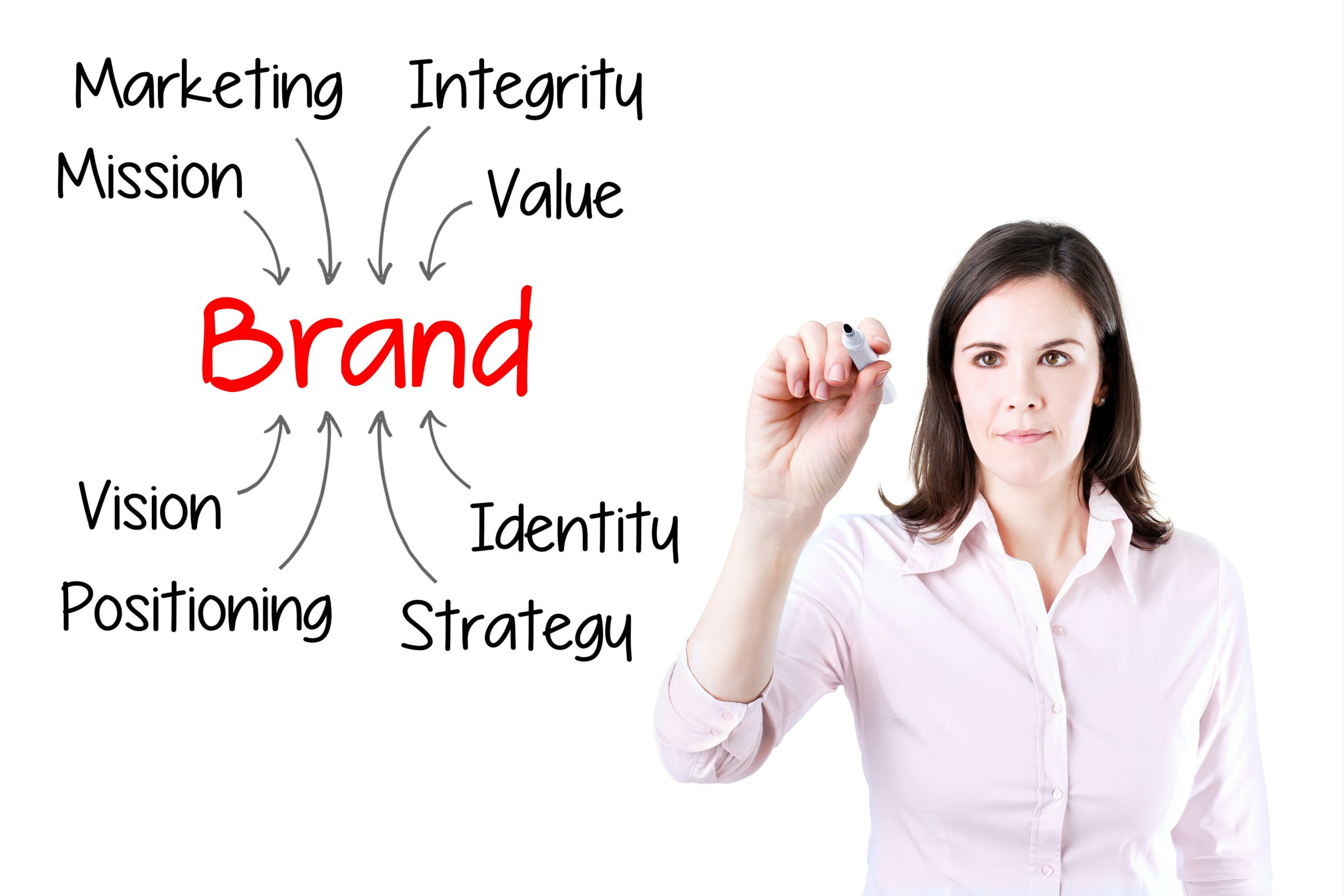
The text’s mention of “Branded Link Building” is the crucial linchpin in this entire strategy. Overall brand building is not just crucial to SEO-driven link acquisition; it is the single most effective multiplier for its success.
A strong brand attracts links naturally. People link to names they know and trust. When you invest in brand awareness through content marketing, social media engagement, PR, and community involvement, you make your link acquisition efforts exponentially easier.
- Journalists are more likely to feature a brand they recognize.
- Bloggers are more likely to accept a guest post or cite your data if your brand carries weight.
- Customers are more likely to mention and link to your site without being asked.
In essence, a powerful brand creates a “rising tide” that lifts all your SEO efforts. It transforms your outreach from a cold call into a warm introduction. At Tmatnetwork, our strategies are designed to build these comprehensive digital ecosystems where brand building and technical SEO are inseparable partners in driving sustainable growth.
Building a modern link profile is a marathon, not a sprint. It requires patience, strategic consistency, and a commitment to providing genuine value. By integrating the brand-building power of Digital PR with the steady, relevance-building work of foundational SEO, you construct a backlink profile that is not only powerful but also durable enough to withstand algorithmic shifts and stand the test of time.
Ready to architect a modern, holistic link-building strategy for your brand? Contact Tmatnetwork to discuss how our integrated approach can build your authority and accelerate your growth.