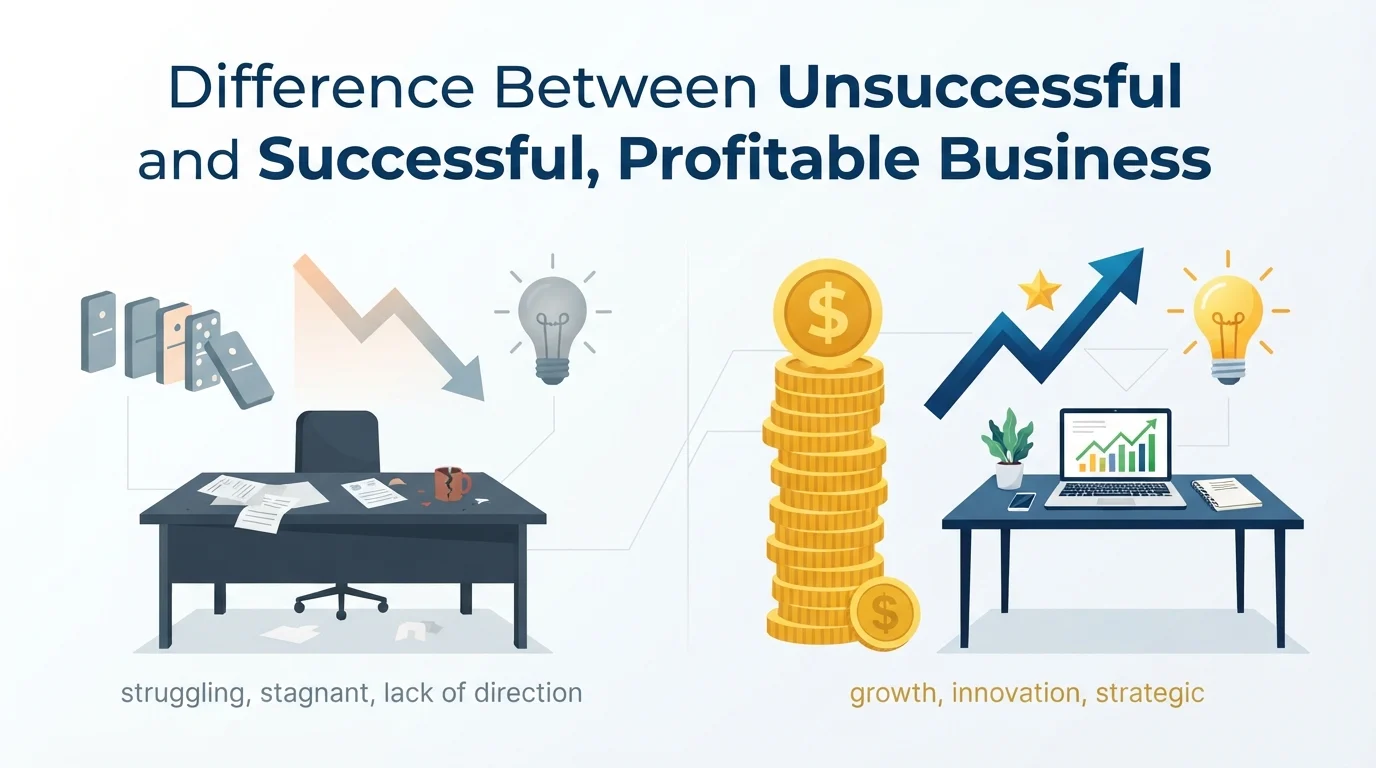
Owning and running a business is no easy feat. While there are numerous best practices and strategies to follow for success, there are also many pitfalls that business owners should avoid. In this article, we’ll walk through the 10 things you should consider not doing in order to protect your business and ensure its long-term success. At TmatNetwork, we provide expert business advice and strategies tailored to help you make informed decisions that support growth and profitability.
1. Not Defining Clear Business Goals
Every business needs clear, measurable goals to stay on track and measure progress. Avoid operating without defined objectives. Without clear goals, it’s easy to drift aimlessly, make poor decisions, and miss opportunities. Always set both short-term and long-term goals, then work toward achieving them systematically. Having a roadmap ensures your team is aligned with your vision and purpose.
2. Ignoring Customer Feedback
Customer feedback is invaluable for improving products, services, and customer experiences. Ignoring feedback or failing to act on it can lead to dissatisfied customers, lower retention rates, and missed opportunities to innovate. Regularly ask your customers for their input and use it to improve your offerings. This builds loyalty and helps your business stay competitive in a rapidly changing market.
3. Overlooking Marketing and Promotion
Even the best products and services can go unnoticed without effective marketing. Business owners often make the mistake of assuming that great products will sell themselves. Failing to invest in marketing, including social media, SEO, and paid advertising, means losing out on potential customers. Marketing should be a priority, not an afterthought. A comprehensive marketing strategy drives awareness, leads, and revenue.
4. Trying to Do Everything Yourself
It’s tempting to want to control every aspect of your business, but this can lead to burnout and inefficiency. Delegating tasks to trusted employees or outsourcing certain functions (such as accounting, marketing, or customer support) can free up your time to focus on core business operations. Recognize your strengths and weaknesses, and build a team that complements your skills.
5. Neglecting Cash Flow Management
Cash flow is the lifeblood of any business. Failing to manage cash flow effectively can quickly put your business in a difficult financial position. Ensure you keep track of incoming and outgoing funds, set aside a contingency fund for unexpected expenses, and regularly review your financial statements. Poor cash flow management can lead to missed opportunities, unpaid bills, or even bankruptcy.
6. Ignoring the Competition
Understanding your competitors is key to staying ahead in business. Ignoring the competition can result in missed trends, opportunities, and threats. Regularly analyze your competitors’ strengths, weaknesses, and strategies to help you differentiate your offerings and stay competitive. Staying updated on industry developments allows you to make proactive decisions that give your business an edge.
7. Failing to Adapt to Changes in the Market
The business world is constantly evolving, and the market can change unexpectedly. Failing to adapt to these changes can leave your business behind. Whether it’s a shift in consumer behavior, technological advancements, or economic changes, staying agile and flexible is essential. Monitor market trends, customer needs, and innovations in your industry to ensure your business remains relevant and responsive.
8. Overlooking Employee Satisfaction
Your employees are one of your most valuable assets. Overlooking their needs, well-being, or career development can result in low morale, high turnover, and decreased productivity. A satisfied and motivated workforce leads to improved performance, creativity, and customer service. Invest in your employees’ growth, offer a positive workplace culture, and ensure they feel appreciated and valued.
9. Relying Too Heavily on One Client or Revenue Stream
While it’s tempting to focus on a large client or one successful revenue stream, this can be risky. Relying too heavily on a single customer or income source leaves your business vulnerable to shifts in demand or market conditions. Diversify your client base and revenue streams to reduce dependency and ensure long-term financial stability.
10. Underestimating the Power of Technology
In today’s digital age, technology plays a vital role in business operations, from marketing automation to customer management. Underestimating or ignoring the power of technology can slow down your business’s growth. Leverage tools like CRM systems, marketing automation platforms, and data analytics to streamline operations, improve customer relationships, and gain valuable insights into your business performance.
Conclusion
Successful business owners understand the importance of making informed decisions and avoiding common mistakes that can derail their progress. By avoiding the 10 things listed above, you can ensure that your business runs efficiently, adapts to market changes, and continues to grow. At TmatNetwork, we offer expert guidance and strategies to help you navigate the challenges of running a business and maximize your chances for long-term success.
Contact TmatNetwork to Learn More
- 📍 Location: Lagos, Nigeria – Code: NG-LA
- 📞 Phone: +234 803 318 2971
- 📧 Email: info@tmatnetwork.com
- 💬 WhatsApp: Chat Now
- 📆 Plan a Project: Contact Us