
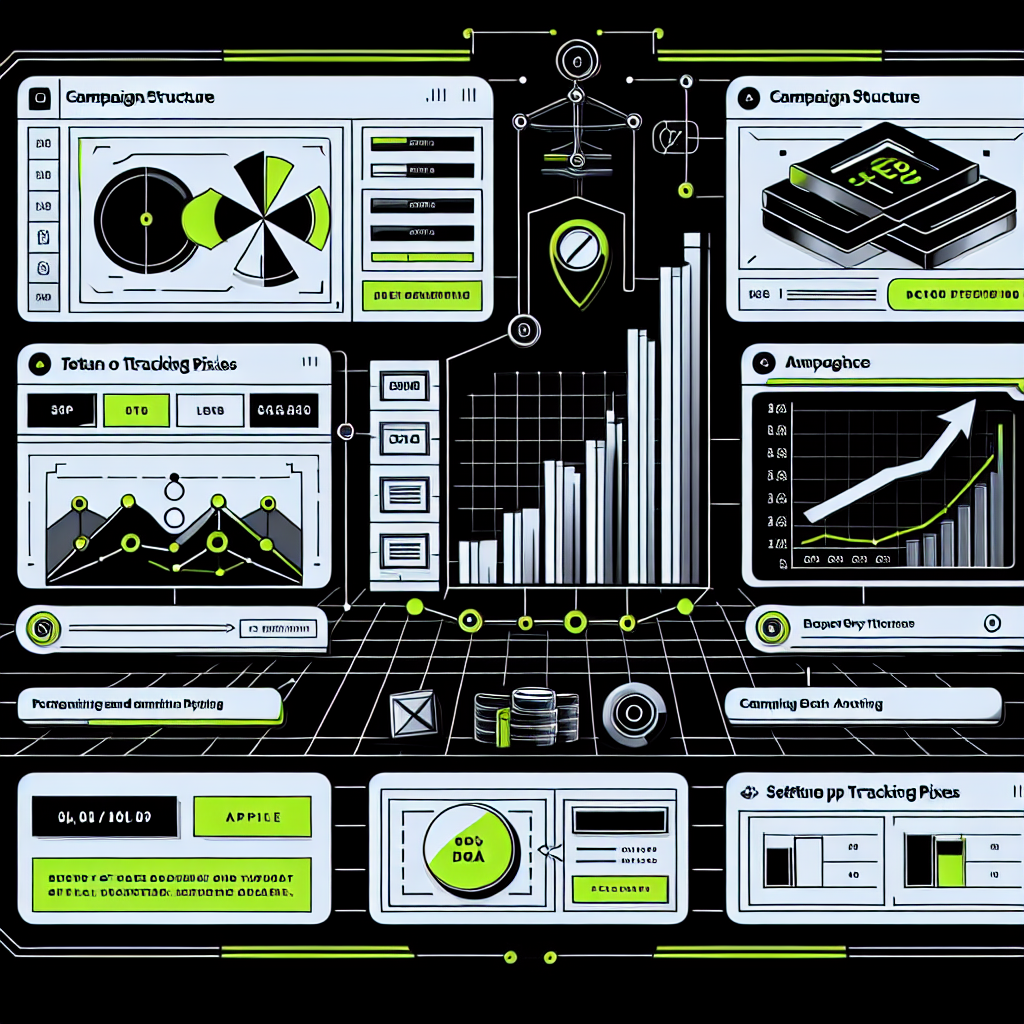
Introduction: Build profitable TikTok campaigns from day one
TikTok Ads Manager is no longer just a test channel. For ecommerce and direct-to-consumer brands, it’s a performance engine that rewards creative speed, tight tracking, and disciplined optimization. The goal from day one is simple: capture thumb-stopping attention, convert intent with social proof, and scale spend profitably.
In this guide, you’ll learn a battle-tested approach to launch, optimize, and scale inside TikTok Ads Manager. We’ll cover pixel and Events API setup, account structure, creative that converts, bidding strategies, and the measurement framework you need to defend ROAS, MER, and incrementality. If you’re serious about sustainable growth, this is your blueprint.
Want more performance insights? Explore the TMAT blog for data-driven playbooks and channel strategies at TMAT Network Blog, and search TikTok-related articles here: TMAT TikTok Resources.
Quick Summary: Setup, pixel, structure, and optimization
Here’s the 80/20 summary to get profitable faster on TikTok:
- Implement tracking right: Install TikTok Pixel and/or Events API, verify your domain, and prioritize conversion events to protect signal under iOS constraints.
- Structure for learning: Start with Conversion campaigns, one optimization goal per ad group, broad audiences, and 3–6 creatives per ad group for clean readouts.
- Creative is the lever: Strong first 3 seconds, clear problem/solution, social proof, and an irresistible offer. Iterate quickly with UGC-style content.
- Bid to your goals: Begin with Lowest Cost to unlock delivery; shift to Cost Cap when you have stable CPA and volume.
- Measure holistically: Track ROAS, MER, and incrementality with UTMs, post-purchase surveys, and holdout tests.
- Scale with discipline: Rotate new creatives weekly, expand audiences methodically, and protect learning while you increase budgets.
If you target B2B, SaaS, or retail, align these steps with your sales cycle. For niche strategy help, see B2B Digital Marketing and SaaS Digital Marketing.
Account and pixel setup: events, Aggregated Event Measurement, and QA
Your data foundation determines everything inside TikTok Ads Manager. Configure both the TikTok Pixel and the Events API (server-side) when possible to improve event resilience and match rates. Verify your domain in TikTok Business Center and connect it to your pixel.
Set up standard events with clear parameters:
- View Content – product page views with content_id, value, and currency.
- Add to Cart – include item IDs and total value.
- Initiate Checkout – capture cart value and item count.
- Complete Payment/Purchase – must have value and currency; pass order_id when possible.
For iOS privacy constraints, configure event prioritization akin to Aggregated Event Measurement workflows: set your purchase event as top priority, then checkout and add-to-cart. This helps preserve attribution for the most critical outcomes.
Quality assurance matters:
- Use TikTok Pixel Helper to validate fires and parameters.
- Send test events in Events Manager and confirm deduplication (if using pixel + Events API).
- Compare checkout revenue in your ecommerce platform vs. TikTok reported purchases daily.
Need implementation help? Book a technical audit with the ecommerce performance team at Ecommerce Digital Marketing.
Campaign structure: objectives, ad groups, and creative testing
Keep your structure simple for clean signal and faster learnings. Start with a Conversions campaign in TikTok Ads Manager. Use one optimization event per ad group (e.g., Purchase). If your pixel is new or volume is light, begin with Initiate Checkout or Add to Cart and move to Purchase once you’re hitting consistent volume.
Ad group setup:
- Placements: Use Automatic placements to maximize delivery.
- Targeting: Start broad (18–54, all genders), then layer interest clusters or lookalikes based on pixel events.
- Creative testing: 3–6 ads per ad group. Keep CTAs consistent to isolate creative impact.
- Budgeting: Start with daily budgets sized to get 50+ events per week for the chosen optimization goal.
Naming conventions improve analysis: include objective, audience, optimization event, creative angle, and date. When you’re ready, consider Campaign Budget Optimization to centralize spend allocation if creative volume is high.
Retail or fashion brand? See complementary strategies for product drops and seasonality via Retail Digital Marketing and Fashion Digital Marketing.
Creative that converts: hooks, proof, and offers
On TikTok, creative is your targeting. Design for the feed with native motion, captions, and quick scene changes. Aim for a strong first 3 seconds that clearly states the benefit or problem your product solves.
Build a high-converting template:
- Hook (0–3s): Call out the pain or desired outcome. Example: “I stopped wasting 20 minutes every morning with this one tool.”
- Credibility (3–7s): Add social proof: UGC, testimonial, before/after, or expert POV.
- Demonstration (7–15s): Show the product in context; add overlays with features and value props.
- Offer + CTA (15–25s): Limited-time bonus, bundle, or free shipping; end with a clear “Get yours today.”
Testing angles that work:
- POV (creator narrative), Problem/Solution, Unboxing, Comparison, How-to, and Before/After.
- Use Spark Ads to boost high-performing organic posts or creator content for added social proof and comments.
For small businesses or local services, UGC plus location-specific angles can outperform stock footage. Explore vertical tips via Small Business Digital Marketing.
Optimization: bidding, budgets, and learning phases
Start with Lowest Cost bidding to unlock reach and stabilize delivery. Once you hit steady conversions and understand your baseline CPA, test Cost Cap to control unit economics. Avoid too-low caps that choke delivery—set caps near your true target CPA and iterate.
Budgeting tips:
- Aim for 50+ optimization events per week per ad group to exit learning.
- Increase budgets by no more than 20–30% at a time to preserve stability.
- Duplicate winning ad groups to test new bids, audiences, or creative clusters.
Learning phase best practices:
- Batch changes; don’t edit daily.
- Consolidate spend to reduce fragmentation—fewer ad groups with more creative can improve signal density.
- Use dayparting cautiously; TikTok delivery often benefits from full-day pacing early on.
Technology firms scaling paid social should align with multi-touch funnels. See Technology Digital Marketing for integrated strategies.
Measurement: ROAS, MER, and incrementality
Measure inside and outside TikTok Ads Manager. In-platform data is directional; triangulate with analytics and finance to validate profitability.
Core metrics and methods:
- ROAS (Return on Ad Spend): Use UTMs and revenue tracking to validate campaign-level performance.
- MER (Marketing Efficiency Ratio): Total revenue divided by total ad spend. Watch MER as you scale—if it holds or improves, your growth is efficient.
- Incrementality: Run geo split tests, holdouts, or time-based pauses to estimate lift. Supplement with post-purchase surveys to attribute discovery channels.
Operationalize that data: shift budget toward creative and ad groups driving the best blended ROAS and MER, not just in-platform CPA. For advanced reporting workflows and channel mix planning, explore insights within TMAT Analytics Articles.
Scaling: creative rotation and audience expansion
Scale with creative first, targeting second. Keep a weekly cadence of 3–5 new creatives, and retire losers quickly. Refresh hooks, intros, and offers while recycling proven mid-sections to accelerate production.
Audience expansion framework:
- Broad first to learn; then test layered interests by theme.
- Lookalikes on high-quality seeds (Purchasers, 180-day; High AOV purchasers; 30-day repeat buyers).
- Leverage Audience Expansion toggles to unlock scale after you see traction.
Use Spark Ads to harness creator content momentum and social engagement. As budgets grow, centralize spend via CBO and let the system allocate to best performers. Brands with frequent launches (events, entertainment) can learn more here: Events Digital Marketing and Entertainment Digital Marketing.
Affiliate Integration: Recommended Partner — TMAT Ecommerce Digital Marketing
If you want expert implementation and a proven scaling roadmap for TikTok Ads Manager, partner with TMAT Ecommerce Digital Marketing. The team builds full-funnel systems across creative, tracking, and analytics—so you can scale spend without sacrificing efficiency.
TMAT’s ecommerce specialists bring:
- Advanced tracking: Pixel + Events API, domain verification, event prioritization, and QA protocols.
- Creative operations: UGC pipelines, iteration frameworks, and Spark Ads playbooks.
- Profit-led scaling: Budgeting controls using ROAS, MER, and lift testing to defend margin.
Operating in other verticals? Explore specialized programs for Retail, Luxury, Recruitment, and Wealth Management.
How to Contact: Book a pixel implementation and ads audit
Ready to tighten tracking and accelerate performance on TikTok? Book a pixel implementation and ads audit to uncover missed opportunities, conversion leaks, and creative quick wins.
Here’s what you’ll get:
- Pixel/Events API diagnostics with event prioritization and deduplication checks.
- Account structure and budget assessment against best practices.
- Creative gap analysis with immediate test ideas and scripts.
Secure your session here: Book Your Ecommerce Audit. Scaling beyond ecommerce? See Technology Digital Marketing or Bank Digital Marketing for vertical-specific programs.
Conclusion: Let data drive creative and budget decisions
TikTok Ads Manager rewards teams that move fast and measure rigorously. Nail your tracking, keep structure simple, and let creative do the heavy lifting. Optimize bids and budgets with respect for the learning phase, then scale by rotating new concepts and expanding high-quality audiences.
Most importantly, let data decide. Use ROAS, MER, and incrementality to guide every shift in spend and creative direction. If you want a partner to implement this system end to end, engage TMAT Ecommerce Digital Marketing and turn TikTok into a reliable growth channel.
FAQ: iOS tracking, attribution windows, and catalog ads
How should I handle iOS tracking and privacy in TikTok Ads Manager?
Implement both the TikTok Pixel and the Events API for redundancy and better match rates. Verify your domain and prioritize key events (Purchase at the top) to protect attribution under iOS. Use UTMs to reconcile platform vs. analytics data and supplement with post-purchase surveys for directional channel discovery.
What attribution windows should I use for TikTok?
Start with the default click and view windows to gather more data, then calibrate based on your buying cycle and blended metrics. Validate TikTok-reported results against your source of truth (e.g., GA4, ecommerce platform, finance) and watch MER to ensure overall efficiency remains intact as you optimize.
Do catalog or product set ads work on TikTok?
Catalog-style formats can perform for large SKU counts and flash sales, but UGC-style videos often drive stronger engagement and conversion. Test both: run catalog placements for breadth, then layer creator-led videos highlighting best-sellers, bundles, or seasonal promotions.
What’s the best budget to exit the learning phase?
Target at least 50 optimization events per week per ad group. Reverse-engineer your daily budget from your target CPA. For example, if your target Purchase CPA is $25, start with $75–$125/day per ad group to drive enough signals, then optimize from there.
How do Spark Ads fit into my strategy?
Use Spark Ads to boost creator or organic posts while retaining engagement (likes, shares, comments). They add social proof and can reduce CPA when paired with strong hooks and offers. Always tag links with UTMs and compare performance to non-Spark creatives in your reports.
For deeper dives on cross-channel planning and seasonal playbooks, browse the TMAT blog: TMAT Network Blog. If you operate in retail or DTC, you may also benefit from Retail Digital Marketing.



 Quick Response